
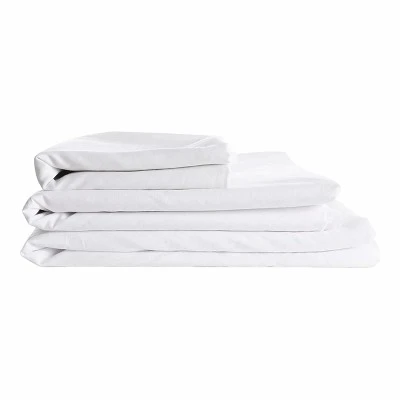
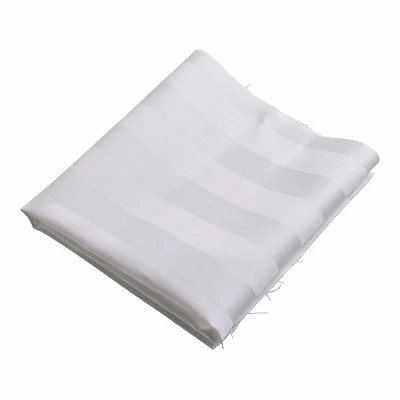
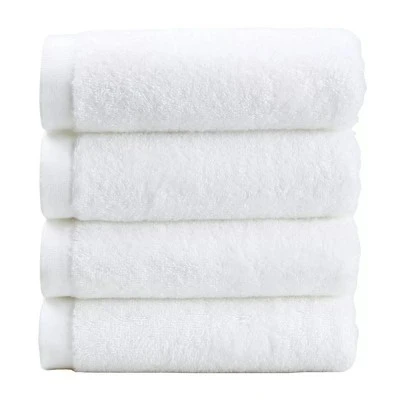
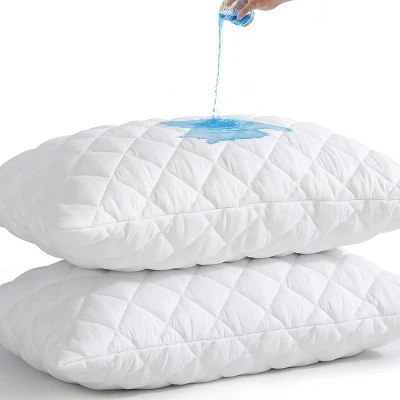
When inspecting hotel bedding fabrics, the first step is to verify that the product specifications, materials, and visual quality align with procurement requirements. Inspectors should cross-check details such as the fabric name, fiber composition, color, width, weight (GSM), yarn count, and quantity, looking for any significant discrepancies between the actual products and the contract, samples, or order specifications. Regarding appearance, the focus should be on surface smoothness and the absence of defects such as holes, broken yarns, skipped stitches, stains, oil spots, color variations, or obvious weaving flaws. For large shipments, random sampling may be employed; particular attention should be paid to color consistency across different batches to prevent noticeable color mismatches after the fabric is processed into sheets or duvet covers.
Next, the fabric's physical properties and functional quality must be evaluated. Since hotel bedding undergoes frequent, long-term use, quality assessment cannot rely solely on tactile feel; key metrics such as breaking strength, tear strength, abrasion resistance, pilling resistance, and shrinkage rate must also be considered. A sample of the fabric can undergo actual wash testing to observe whether significant shrinkage, deformation, fading, or stiffening occurs after laundering. For pure cotton fabrics, post-wash dimensional changes require special attention, whereas for blends like polyester-cotton, the focus should be on wash durability and dimensional stability. If the hotel has procured waterproof, antimicrobial, or other functional fabrics, the specific functional properties must be tested against procurement requirements to ensure the actual performance matches the supplier's specifications.
Finally, safety standards, packaging, and batch records must be verified. As hotel bedding fabrics come into direct or indirect contact with human skin, it is essential to confirm compliance with applicable textile safety standards and to review test data regarding fiber composition, pH levels, formaldehyde content, and colorfastness. Accepted products should be logged with details on batch numbers, quantities, and warehousing dates to facilitate future production and quality traceability. Any products found to have color discrepancies, damage, specification mismatches, or test results failing to meet requirements must be immediately isolated to prevent them from entering the production process. Overall, the acceptance process for hotel bedding fabrics can be conducted following the sequence of "specification verification, visual inspection, performance testing, safety confirmation, quantity tallying, and batch recording"; this ensures the quality of the fabric itself while minimizing issues during subsequent processing and use.