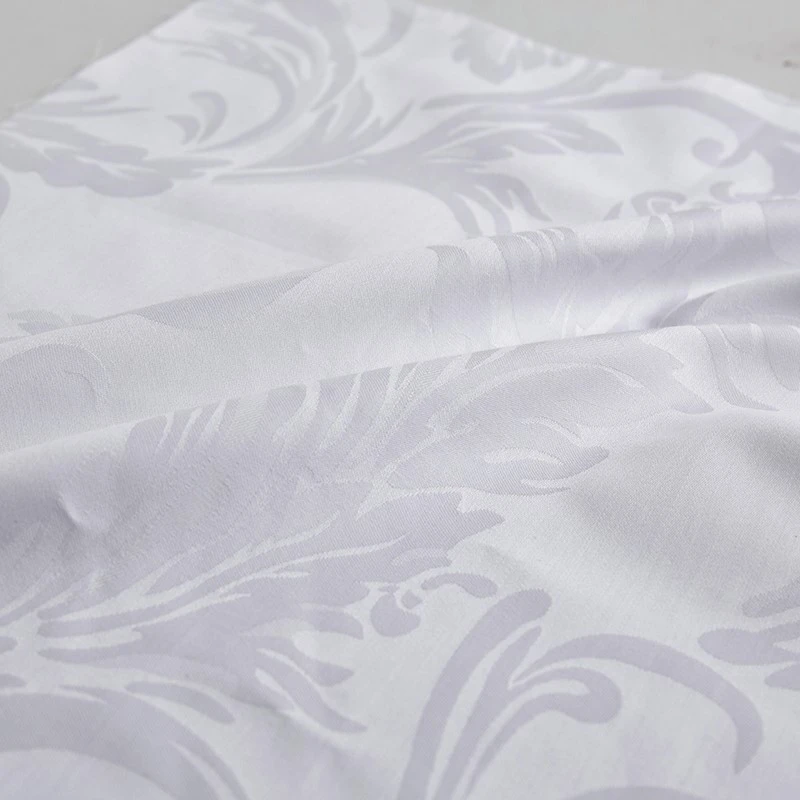
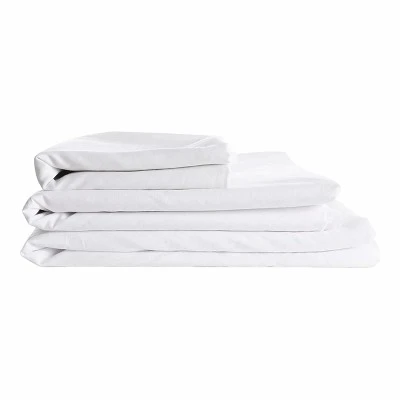
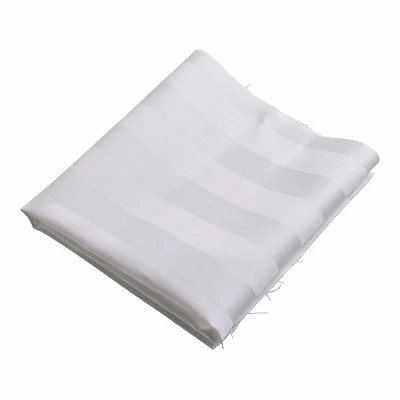
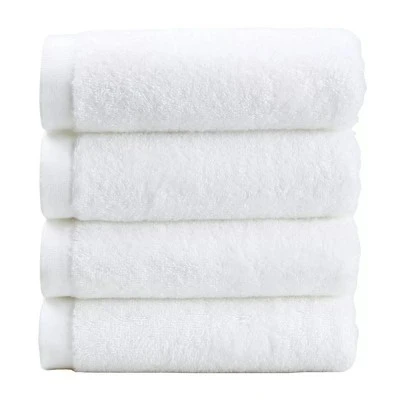
The physical properties of hotel bedding fabrics are primarily defined by strength, abrasion resistance, shrinkage, dimensional stability, pilling resistance, and breathability. Given the frequent use and laundering required for hotel sheets, duvet covers, and pillowcases, the fabric must possess sufficient strength to withstand the mechanical stresses associated with bed-making, folding, pulling, and washing. Insufficient strength can lead to issues such as holes or unraveling seams after a period of use. Abrasion resistance is equally critical; fabrics must endure prolonged friction-particularly where sheets come into contact with the body and the mattress. For hotels, the fabric's durability directly impacts replacement frequency and overall operating costs.
Shrinkage and dimensional stability are also key performance factors. Excessive changes in dimensions following washing, spinning, and drying can result in sheets that do not lie flat or duvet covers that fit poorly, thereby detracting from the guest room's overall appearance. High-quality hotel bedding fabrics typically undergo appropriate pre-shrinking and finishing processes to ensure dimensional stability even after repeated laundering. Pilling resistance also affects the long-term appearance and tactile quality of the bedding; fabrics prone to pilling develop a rough surface after repeated washing and friction, which can negatively impact the guest experience. Consequently, fabric selection requires a comprehensive assessment of fiber type, yarn quality, and weaving techniques.
Breathability and moisture absorption are primarily linked to guest sleep comfort. Bedding remains in prolonged contact with the body; fabrics with poor breathability can cause a sensation of stuffiness or overheating, whereas fabrics with good moisture-absorbing properties help wick away sweat during sleep, keeping the bed surface relatively dry. While pure cotton fabrics generally offer superior moisture absorption and a pleasant feel against the skin, blends-such as polyester-cotton-often excel in terms of abrasion resistance, washability, and dimensional stability. In practice, no single fabric dominates in every performance category; therefore, hotels must make selections based on their specific room positioning and laundry conditions. Overall, the physical properties of hotel bedding fabrics primarily center on strength, abrasion resistance, dimensional stability, pilling resistance, breathability, and moisture absorption; these properties collectively determine the bedding's comfort, durability, and long-term performance.