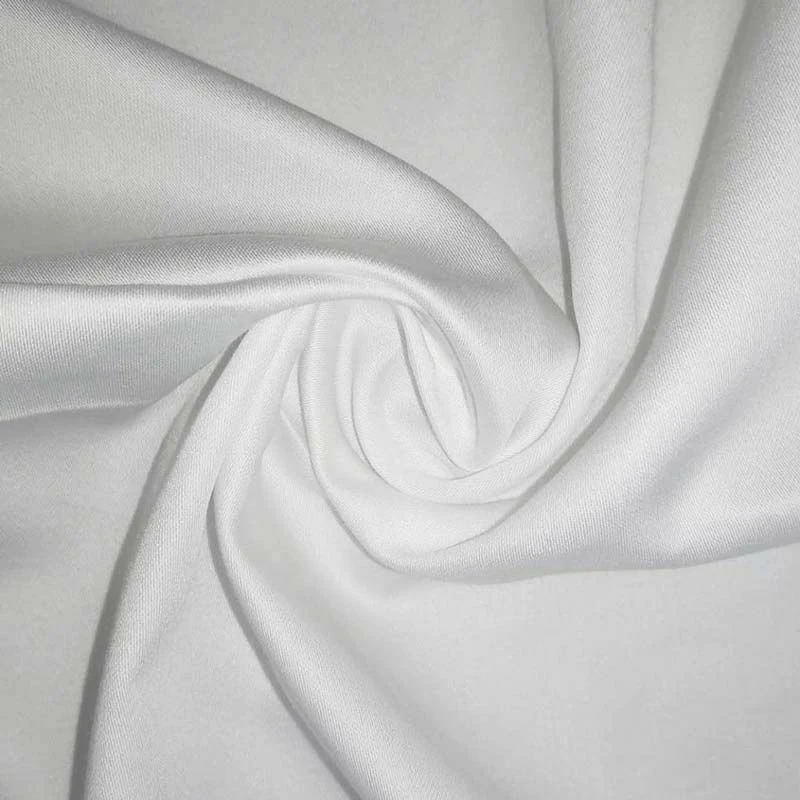
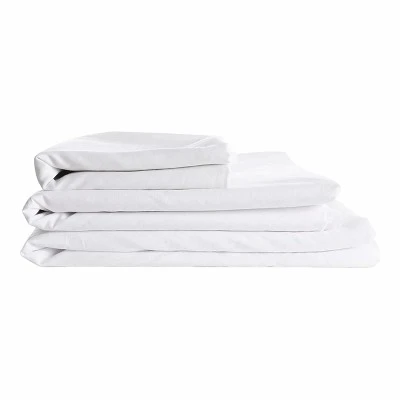
Hotel bedding fabrics require appropriate care based on their specific material composition. Fabrics such as pure cotton, poly-cotton, satin weave, and various blends differ in washability and usage characteristics; therefore, a "one-size-fits-all" washing method is unsuitable. Used sheets, duvet covers, and pillowcases should be collected promptly and sorted by color, material, and level of soiling to prevent color bleeding caused by mixing light and dark items. Heavily soiled items should undergo basic pre-treatment before entering the standard washing cycle. During washing, select the appropriate water temperature and detergent according to product specifications; avoid prolonged use of harsh cleaning agents, which can damage fibers, causing the fabric to stiffen, fade, or lose durability over time.
Since hotel bedding undergoes frequent laundering, it is crucial to manage washing and drying intensity carefully. While pure cotton is soft and comfortable, it is prone to shrinking or stiffening after high-temperature washing or prolonged high-heat drying. Satin-weave fabrics, known for their smooth finish, require gentle handling to avoid excessive friction that could compromise their luster and texture. After washing, bedding should be thoroughly rinsed and dried promptly; leaving items damp for extended periods can lead to unpleasant odors. When drying, avoid the temptation to use excessively high temperatures or long cycles; instead, adjust settings based on the fabric's specific properties. In a high-turnover environment like a hotel, adopting gentler, consistent care methods helps preserve the bedding's dimensions and tactile quality.
Proper storage and regular inspection are also essential parts of daily management. Clean sheets, duvet covers, and pillowcases should be stored in a dry, well-ventilated, and hygienic area, kept separate from soiled linens and cleaning agents to prevent re-contamination. Housekeeping staff should inspect bedding for stains, tears, loose stitching, pilling, or noticeable fading while making beds, replacing any items that show such defects. For bedding in long-term use, periodic checks on dimensions and fabric condition are necessary; items that have become significantly thin, severely shrunk, or uncomfortable for guests should be retired from service. Through proper sorting, appropriate washing, thorough drying, standardized storage, and regular inspections, it is possible to minimize wear and tear on hotel bed linen fabrics, maintain them in good condition, and extend their overall service life.