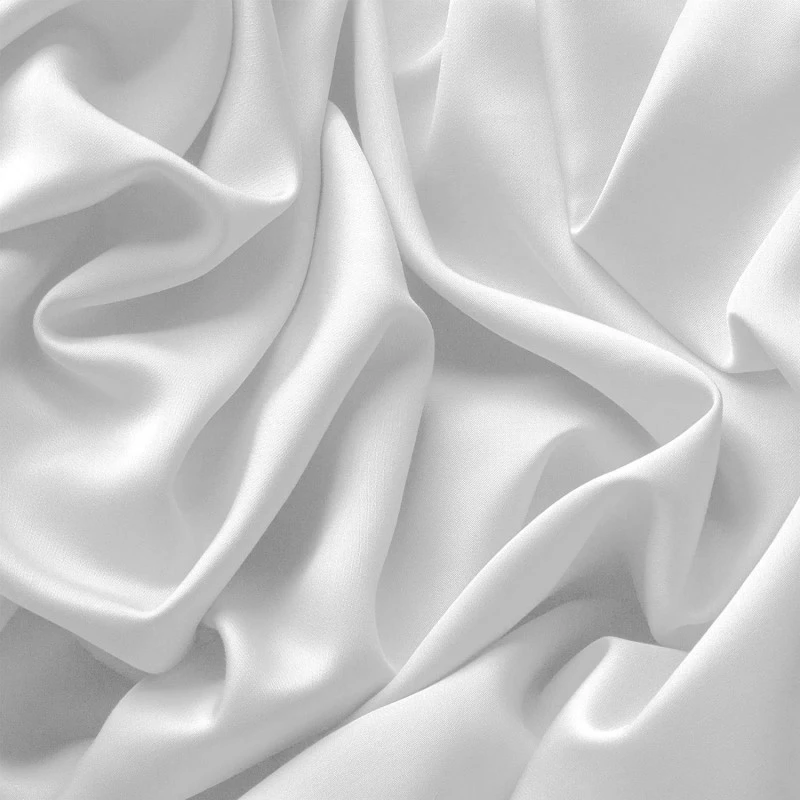
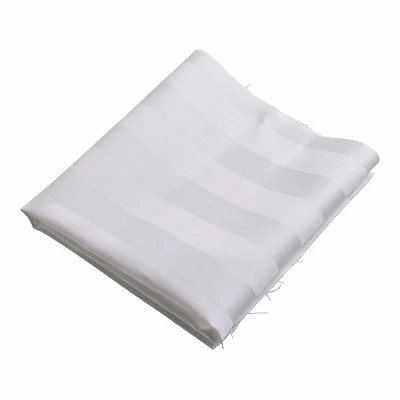
Fabric weave is a crucial aspect of bedding fabric structure; common types include plain, twill, and satin weaves. Plain weave features a uniform interlacing of warp and weft yarns, resulting in a stable, durable structure well-suited for the high-frequency use found in hotel environments. Twill weave employs a different interlacing pattern, typically yielding a softer, thicker fabric with a comfortable hand-feel. Satin weave involves fewer interlacing points, creating a smoother, finer surface with a characteristic sheen, making it a popular choice for mid-to-high-end hotel bedding. Beyond the weave itself, yarn count and warp/weft density also influence fabric tightness. An optimal density ensures good flatness and durability while preventing excessive tightness that could compromise breathability.
Hotel bedding fabrics typically undergo finishing processes-such as bleaching, dyeing, mercerization, and softening-to meet specific aesthetic and functional requirements. White bedding is standard in hotels, necessitating high standards for surface cleanliness, whiteness, and wash durability. Premium fabrics often undergo mercerization or other treatments to enhance luster and texture, resulting in bedding that is softer and smoother. The final fabric quality is not determined by a single factor but by a combination of fiber raw materials, yarn quality, warp/weft density, weave structure, and finishing processes. When sourcing, relying solely on fabric names or yarn counts makes it difficult to fully assess quality; a comprehensive evaluation incorporating actual samples and performance after washing is essential.