

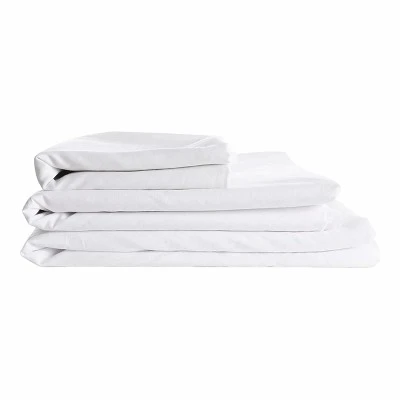
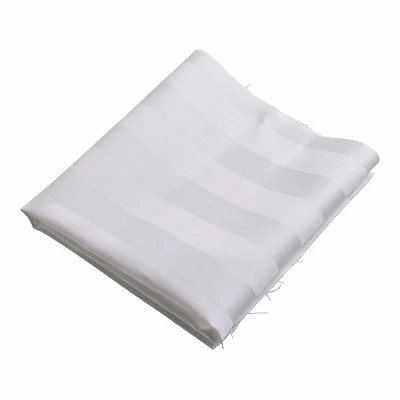
Hotel bed linen fabrics are categorized by material and weaving method; common types on the market include pure cotton plain weave, pure cotton twill, satin (sateen), poly-cotton, and other blends. Standard hotels frequently use plain weave and poly-cotton fabrics because they are cost-effective, durable through repeated washing, and easy to maintain. Mid-to-high-end hotels, however, tend to prefer satin fabrics, which offer a finer texture, superior sheen, and a softer hand-feel. Some luxury hotels utilize premium materials-such as long-staple cotton or combed cotton-to enhance the softness and overall quality of the bedding.
Specifications for hotel bed linen fabrics are typically determined by material, yarn count, density, fabric weight (GSM), and width. Yarn count indicates the thickness of the yarn; common hotel specifications include 40s and 60s. A higher yarn count does not automatically guarantee a superior product; yarn quality and fabric density must also be considered. Fabric density reflects the tightness of the warp and weft arrangement; higher-density fabrics are generally finer and smoother, though breathability and production costs must also be factored in. Fabric weight (grams per square meter) measures the weight per unit area; hotels must strike a balance between hand-feel, durability, and laundering costs. Finally, fabric width is determined by the dimensions of the finished products (such as sheets and duvet covers); an appropriate width minimizes the need for seams, thereby enhancing the finished product's aesthetic appeal.