

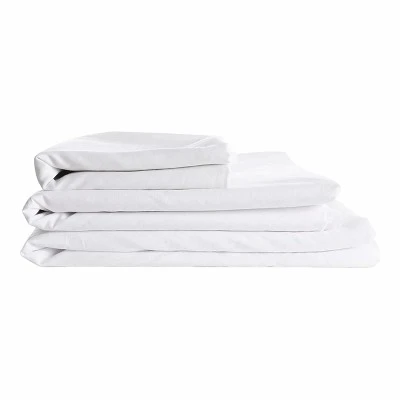
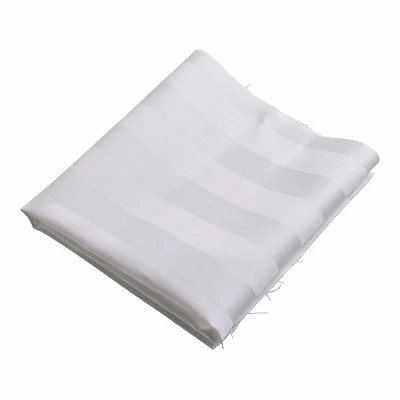
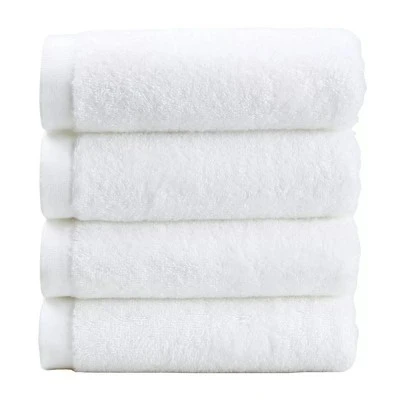
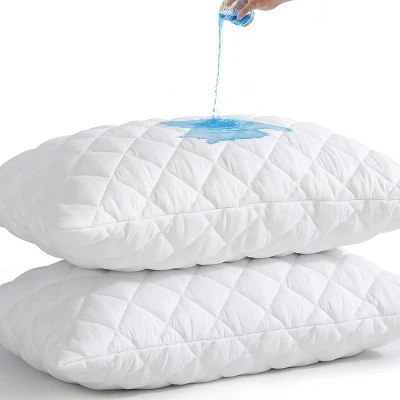
Hotel mattress protectors and bedding protection products are made from a variety of materials; common options include pure cotton, poly-cotton blends, polyester fiber, waterproof composite fabrics, and various types of filling materials. Pure cotton fabrics offer a soft touch, good breathability, and skin-friendliness, making them ideal for the side that comes into direct contact with the bed sheet. Poly-cotton blends combine the comfort of cotton with the durability of polyester fiber-offering resistance to deformation and washing-and are widely used in hotel guest rooms. For hotels requiring frequent, long-term washing, fabrics must offer not only comfort but also abrasion resistance and dimensional stability to minimize issues like shrinkage or warping after repeated laundering.
Waterproof mattress protectors typically incorporate an internal waterproof layer, such as a TPU or PVC film. TPU films are flexible and highly abrasion-resistant; they effectively prevent liquid from seeping into the mattress during normal use without significantly increasing the product's thickness. PVC waterproof layers offer stable waterproofing performance and are cost-effective, making them common in budget hotels and standard accommodations. When selecting products, key considerations include the waterproof layer's breathability, softness, washability, and long-term stability, ensuring that an overly thick layer does not compromise sleep comfort.
In addition to the surface fabric and waterproof layer, some hotel mattress protectors include a layer of filling material to enhance softness and cushioning. Common fillings include polyester fiber, recycled fibers, and cotton-based materials. Polyester fiber fillings are lofty, washable, and resistant to deformation, making them well-suited for the frequent washing required in hotel environments. Cotton-based fillings offer superior softness and breathability but may be prone to clumping or changes in thickness after prolonged, frequent washing. Overall, hotel mattress protectors typically feature a composite design-surface fabric, filling layer, waterproof layer, and bottom securing structure-utilizing a combination of materials to provide stain resistance, waterproofing, washability, comfort, and mattress protection. Hotels should select the appropriate material combination based on factors such as room positioning, laundry capabilities, usage frequency, and procurement costs.