

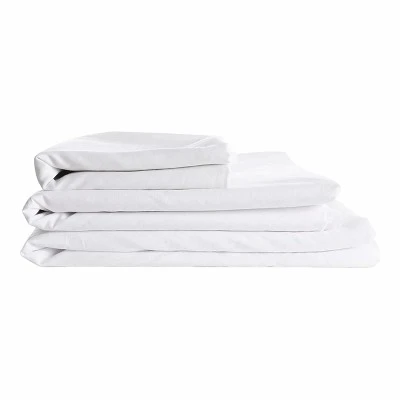
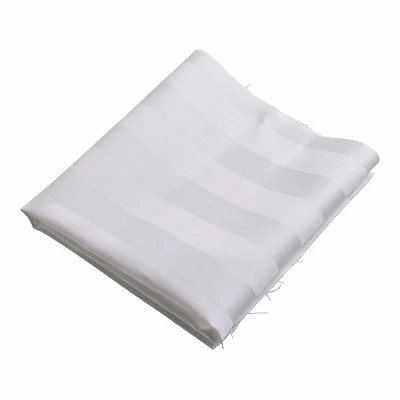
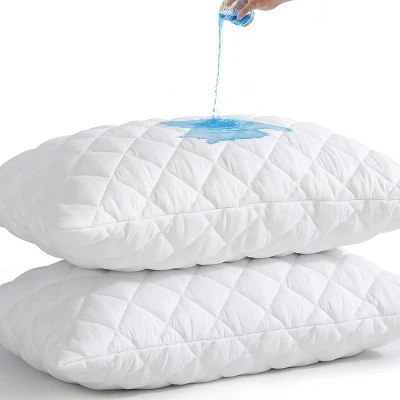
Cotton fiber is the primary component of hotel bedding fabrics, though various blended materials are also selected based on the hotel's tier, usage frequency, and cost requirements. Pure cotton is a common choice for sheets, duvet covers, and pillowcases; it is soft, moisture-absorbent, breathable, and skin-friendly, offering high comfort during prolonged contact with the skin. When properly woven and finished, pure cotton bedding feels natural to the touch and meets the basic hotel standards for comfort and hygiene. Mid-to-high-end hotels often prioritize the quality of the cotton fiber, yarn fineness, and fabric density to enhance the overall tactile feel and sleep experience.
Polycotton is another common fabric for hotel bedding. Made by blending cotton and polyester fibers in specific ratios, it combines the comfort of cotton with the durability and wash-resistance of polyester. Compared to pure cotton, polycotton bedding is generally more durable and less prone to shrinking or deforming; it maintains good dimensional stability even after repeated washing, making it suitable for budget hotels and chain hotels that require frequent laundering. Some hotels opt for fabrics with higher polyester content to reduce procurement and laundry costs, though these may differ from high-quality pure cotton in terms of softness and breathability.
The market also offers bedding made from materials such as Tencel, bamboo fiber, and Modal, as well as blends of cotton with other fibers. These materials often highlight softness, moisture absorption, breathability, or unique tactile qualities, though their specific performance depends on the actual product and manufacturing process. When selecting bedding fabrics, hotels should look beyond the material name and consider factors such as fiber content, yarn count, fabric density, fabric weight, wash resistance, and long-term laundry costs. Hotels can make choices based on their specific positioning: those prioritizing comfort and quality may favor high-quality pure cotton or other comfort-oriented fabrics, while hotels with high room turnover and frequent laundering needs might choose polycotton or blended fabrics known for durability, wear resistance, and dimensional stability. This approach ensures guest satisfaction while balancing the hotel's long-term operational costs and management requirements.