

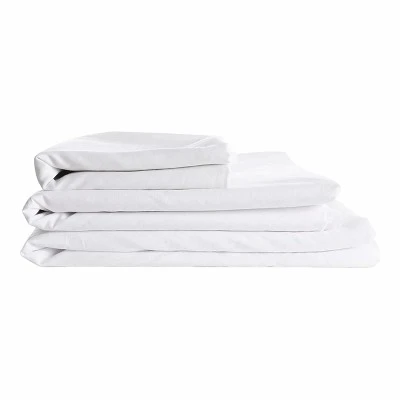
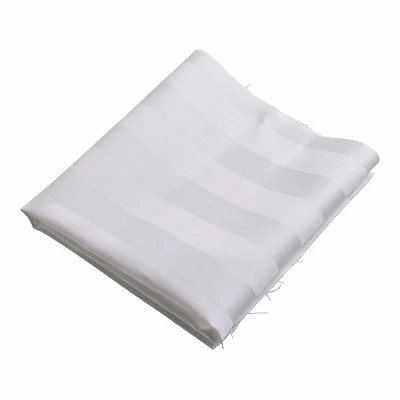
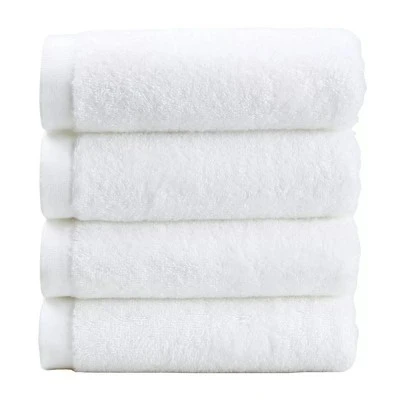
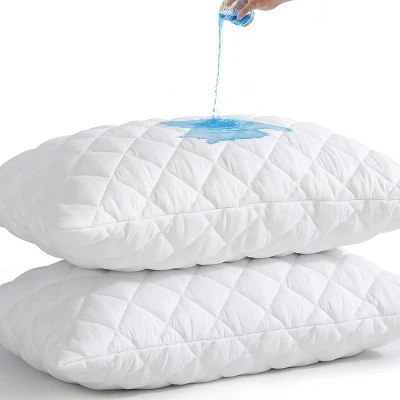
The production process for hotel bathroom linens typically begins with the selection of raw materials-such as cotton yarn, blended yarn, or other textile fibers-based on the product's intended positioning. Cotton fiber is the primary material for most hotel bath towels, face towels, and washcloths due to its excellent absorbency and skin-friendly nature. Once the raw materials are selected, the yarn undergoes processes such as spinning, warping, and weaving to create unfinished towel fabric with specific thickness and density. During weaving, factors such as pile height, density, and arrangement directly influence the final product's hand-feel, absorbency, and fluffiness. Weaving parameters are adjusted according to the specific type of linen; for instance, bath towels require high absorbency and fluffiness, whereas bath mats prioritize thickness, durability, and structural stability.
After weaving, the unfinished fabric undergoes finishing processes such as dyeing, bleaching, or other treatments. Since white linens are common in hotels, many products are bleached to achieve a clean, uniform color, which also allows hotel staff to easily assess cleanliness during daily operations. For colored linens, dyeing is performed according to design specifications, with careful control over dye uniformity and color fastness. Following dyeing or bleaching, the fabric undergoes thorough washing and drying to minimize residual substances. High-quality products may also undergo treatments like softening or antimicrobial finishing to enhance texture and performance, with specific processes selected based on material composition and usage requirements.
Once finishing is complete, the linens move to the cutting, sewing, and final processing stages. Fabric is cut according to the specifications for various items-such as bath towels, face towels, washcloths, bath mats, and bathrobes-and professional equipment is used for hemming, overlocking, and stitching. Some hotel linens feature designs like jacquard weaving, embroidery, printing, or brand logos to strengthen hotel brand identity. After sewing, products undergo quality inspections covering dimensions, weight, appearance, loose threads, damage, and stitching integrity to ensure they meet factory standards. Finally, the products are folded, packaged, and placed in inventory, ready for procurement and use by hotels. While the production process may appear to center on basic textile manufacturing, every stage-from yarn quality and weaving density to finishing and final inspection-influences the linen's ultimate softness, absorbency, wash durability, and service life; consequently, standardized production processes are essential to ensuring the quality of hotel bath linens.