

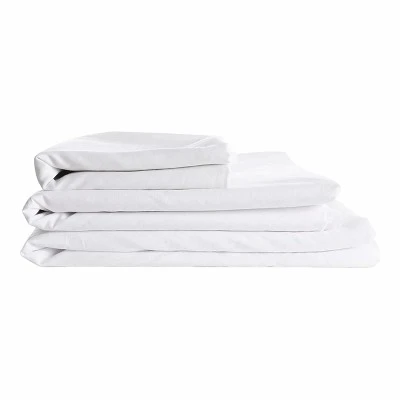
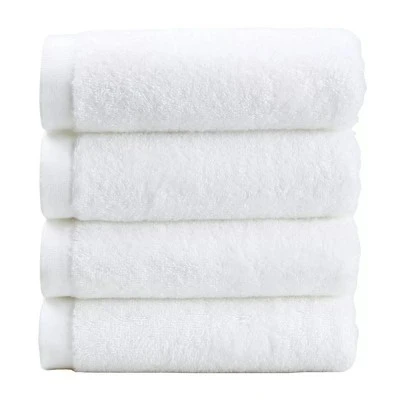
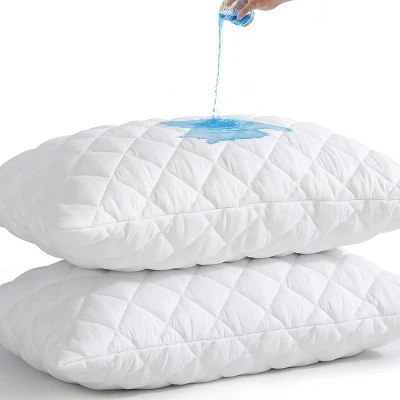
The market demand for hotel bedding is relatively stable, primarily because items such as sheets, duvet covers, pillowcases, and fitted sheets are essential daily-use products in guest rooms, requiring constant washing and replacement as guests check in and out. The greater the number of guest rooms, the higher the volume of bedding procurement and turnover. When selecting bedding, hotels today look beyond price; they increasingly prioritize fabric feel, breathability, moisture absorption, and wash durability. Mid-to-high-end hotels, in particular, place great importance on the guest's sleep experience, typically opting for bedding with superior texture and optimal softness while maintaining uniformity in color, size, and specifications to create a neat, upscale look. Standard hotels, meanwhile, focus more on durability, ease of cleaning, and the cost-effectiveness of long-term replacement.
Hotel bedding is a mature product category with numerous manufacturers and suppliers; product differences primarily lie in material, workmanship, fabric weight, wash durability, and price. Modern hotel procurement goes beyond merely comparing unit prices to focus on actual product lifespan and long-term maintenance costs. If a bedding set shrinks, pills, thins out, or tears after just a few washes, it not only detracts from the guest experience but also increases the frequency-and cost-of linen replacement. Consequently, hotels are increasingly prioritizing bedding that is durable, wash-resistant, and dimensionally stable. While demand for hotel bedding will remain strong, competing solely on low prices is becoming increasingly difficult; suppliers who can guarantee consistent quality, ensure timely bulk delivery, and customize specifications and details to meet hotel requirements are far more likely to secure long-term partnerships.