

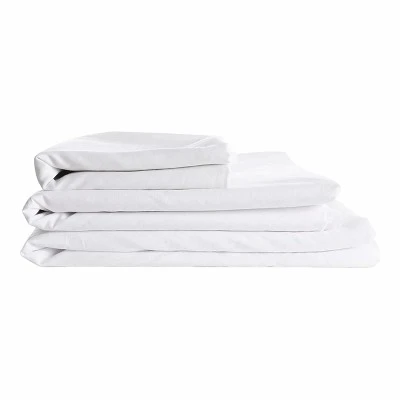
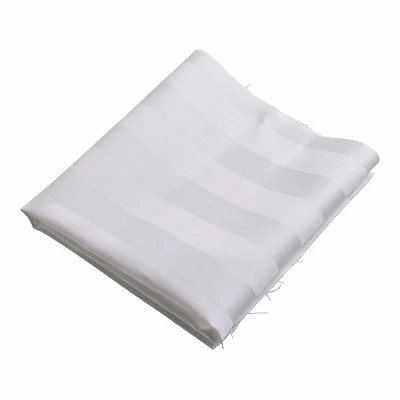
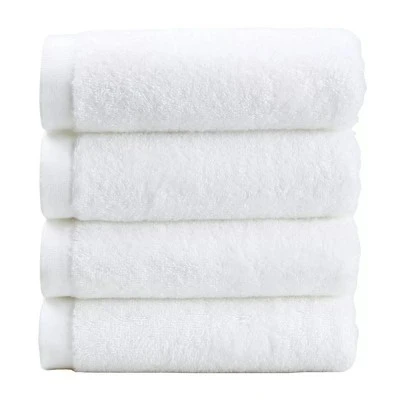
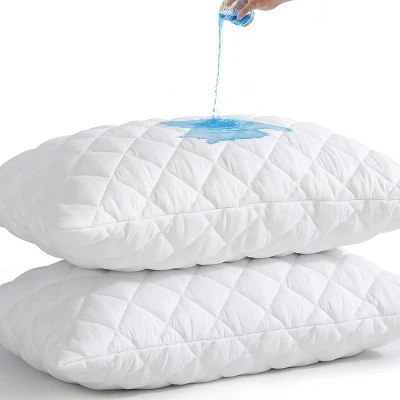
Pure cotton is the most common material for hotel bathroom linens. Known for its excellent absorbency and skin-friendly nature, pure cotton offers a soft touch and high comfort, making it widely used for products such as bath towels, face towels, washcloths, and bath mats. In hotel guest rooms and bathrooms, where linens frequently come into contact with the skin, pure cotton effectively balances absorbency with comfort. The tactile feel and lifespan of pure cotton linens vary depending on factors such as yarn quality, weaving technique, and fabric weight. Generally, higher-weight bath towels feel thicker and more substantial with superior absorbency, though they also entail increased weight and laundering costs.
Combed cotton and long-staple cotton represent higher-quality cotton materials. Combed cotton undergoes an additional combing process to remove short fibers and impurities, resulting in more uniform yarn; the resulting linens typically feel smoother and have a more even surface. Long-staple cotton features longer fibers that produce more supple yarn, yielding towels with excellent softness and fluffiness. Some high-end hotels utilize premium long-staple or combed cotton linens to enhance the guest experience. However, the material name alone does not fully determine product quality; actual performance also depends on factors such as yarn grade, weaving method, fabric weight, and finishing processes.
The market also offers products made from poly-cotton blends, bamboo fiber, and other blended materials. Poly-cotton blends are valued for their durability, wash resistance, and dimensional stability, making them popular in hotels that prioritize longevity and cost-efficiency; however, their absorbency and skin-feel generally fall short of high-quality pure cotton products. Bamboo fiber linens offer a soft touch and-in some cases-excellent moisture absorption, though their stability after repeated, high-frequency washing depends on the specific product. Overall, the selection of hotel bathroom linens is not simply about choosing a specific material, but rather about striking a balance between absorbency, softness, wash resistance, lifespan, and procurement costs.