

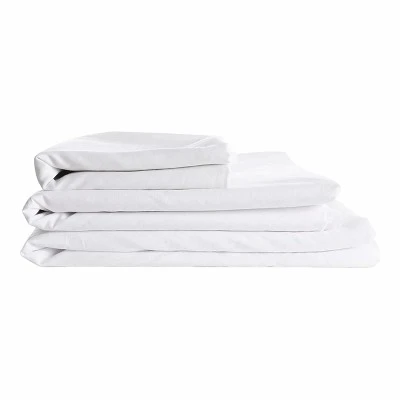
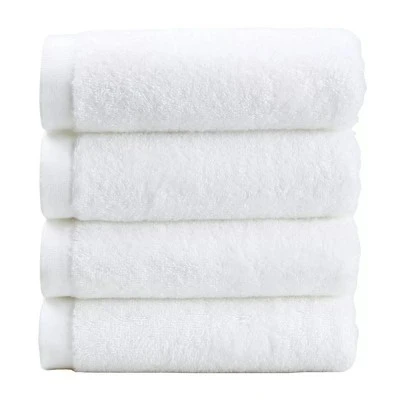
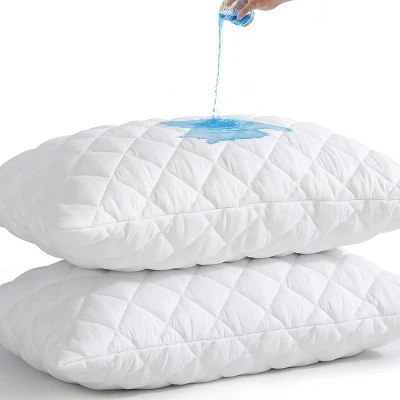
Hotel linens generally require timely replacement and laundering based on guest turnover rather than being used for fixed periods of days or weeks. During daily housekeeping, staff should inspect bedding for stains, odors, damage, or discoloration and replace items immediately if issues are found. Items that do not require replacement after every guest stay-such as mattress protectors and fitted sheets-can be inspected and laundered periodically in accordance with the hotel's hygiene management policies. Properly scheduling maintenance cycles for different types of bedding ensures room hygiene while avoiding unnecessary laundering and linen wear.
Since hotel linens undergo frequent laundering, the goal should not simply be maximum cleanliness; careful control of water temperature, detergent dosage, spin-dry duration, and drying temperature is essential. Washing or drying pure cotton bedding at excessively high temperatures over time can lead to shrinkage, stiffening, and fiber degradation. Linens should be sorted by color and material before washing; light and dark items should be processed separately to prevent color bleeding. After washing, items must be thoroughly rinsed and dried to prevent detergent residue and musty odors. Clean linens should be stored in a dry, well-ventilated, and tidy area, organized by specification to minimize exposure to dust and moisture.
Hotels must also schedule regular inspections and replacements based on the actual wear and tear of the linens. Prolonged use can cause sheets and duvet covers to thin, pill, shrink, or unravel at the seams; even without visible stains, such issues can negatively affect the guest experience. Replacement decisions should be based on a combination of laundering frequency and the item's actual condition, rather than solely on the duration of use. Hotels with high occupancy rates should increase inspection frequency and maintain accurate linen turnover records to track the usage of different batches. Linens that significantly compromise comfort, appearance, or hygiene standards should be retired promptly. A combination of daily inspections, standardized laundering, regular maintenance, and timely replacement extends the lifespan of hotel linens while ensuring that room linens remain clean, comfortable, and uniform.