

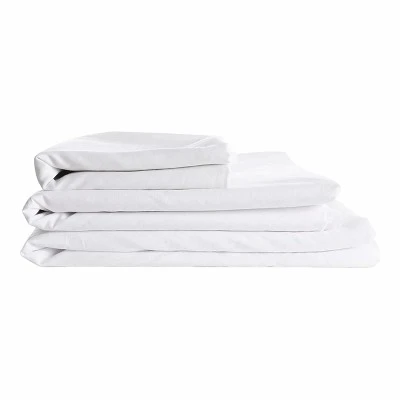
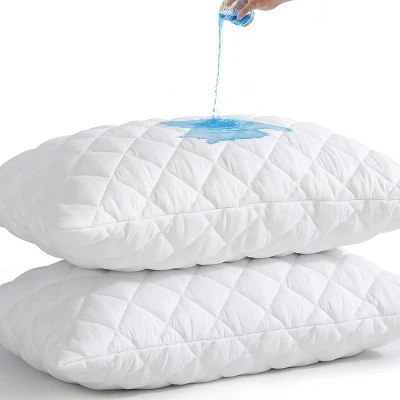
During the transportation of hotel bedding, it is essential to ensure the products remain clean, dry, and intact, protecting them from contaminants such as dust, rain, and oil during loading, unloading, and transit. Items such as bed sheets, duvet covers, and pillowcases are typically folded and packaged before leaving the factory, and the outer packaging must provide adequate protection against dust and moisture. Transport vehicles must be kept clean; bedding should not be loaded alongside cargo that is visibly contaminated, emits strong odors, or could otherwise compromise the hygiene of the linens. When transporting large quantities, items should be sorted and arranged according to specification and model to prevent packaging from being crushed or damaged, which could affect the product's condition upon arrival.
Precautions against moisture, crushing, and abrasion are necessary during transportation and handling. Hotel bedding is primarily made from textile fabrics such as cotton or poly-cotton blends; prolonged exposure to damp conditions can lead to a musty odor and, in severe cases, compromise product quality. Therefore, during the rainy season or long-distance transport, moisture-proofing measures for the outer packaging should be reinforced, and direct contact with the vehicle floor or areas with standing water should be avoided after loading. Packages must not be dragged or stepped on during handling, as this could soil the bedding or damage the packaging. For bulky items like duvet inserts and pillow cores, prolonged compression by heavy objects must be avoided to preserve their loft and resilience.