

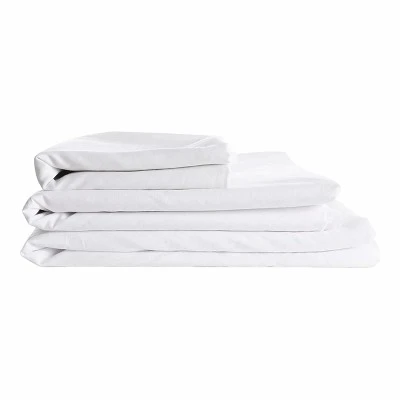
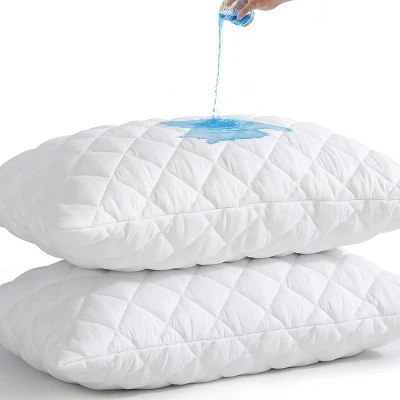
Different products have varying protective requirements. Standard bed sheets, duvet covers, and pillowcases prioritize comfort, breathability, and ease of cleaning, generally without emphasizing waterproofing; conversely, products such as mattress protectors and waterproof fitted sheets incorporate a waterproof layer to minimize the seepage of sweat, water stains, and other liquids into the mattress. When selecting such products, hotels must focus on the integrity, wash durability, and breathability of the waterproof layer, rather than merely looking at surface-level water resistance. Fabrics with superior protective qualities should maintain relatively stable performance even after repeated washing-a crucial factor for the high-frequency, long-term use typical in hotels.
Anti-mite and antibacterial properties are also key protective features for certain hotel bedding products. Given that bedding is in prolonged contact with the human body, it is susceptible to sweat, skin dander, and dust if storage or cleaning protocols are inadequate. Consequently, some functional bedding products incorporate these protective features through fabric treatments or specialized fiber designs. However, such features cannot replace standard cleaning and disinfection procedures; hotels must still adhere to regulations regarding the collection, washing, drying, and storage of bedding. When purchasing products claiming antibacterial or anti-mite capabilities, hotels should review relevant test reports and product specifications to understand the specific technologies used and the scope of application, rather than judging performance solely based on marketing names.
Flame-retardant properties are primarily required for specific hotel areas subject to stringent safety standards, such as high-end hotels, public accommodation zones, or rooms with specialized functions. The necessity for bedding to meet specific flame-retardancy requirements depends on the usage scenario and applicable standards; not all standard hotel bedding requires the same fire-safety rating. Furthermore, hotels must holistically evaluate fabric breathability, softness, wash durability, and safety, as the addition of certain protective features can impact the fabric's hand-feel or breathability. In summary, the selection of protective properties for hotel bedding fabrics should be based on actual usage requirements-prioritizing specific attributes like waterproofing, stain resistance, anti-mite capabilities, antibacterial properties, and flame retardancy-while balancing comfort, wash durability, and long-term performance, rather than simply pursuing a so-called "high protection rating."