

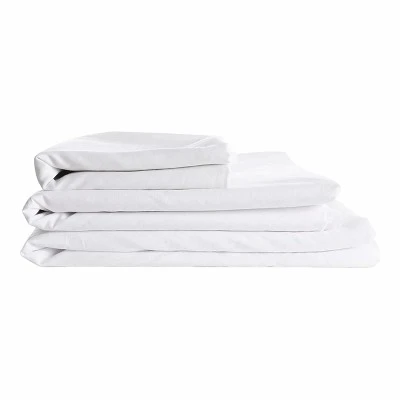
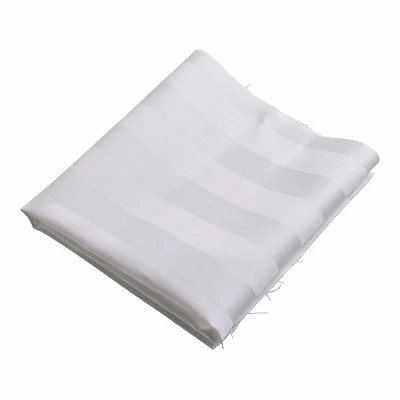
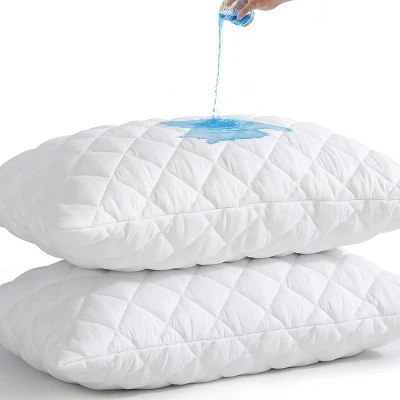
The density of hotel bedding primarily refers to the arrangement of warp and weft yarns within a given area, usually expressed as warp density, weft density, or the number of yarns per square inch. Higher density generally means the yarns are more tightly packed, resulting in a smoother, more delicate feel and better overall texture. Common bedding densities vary depending on the fabric material, yarn count, and product positioning. Generally, standard hotel bedding uses a moderate density, while mid- to high-end hotels tend to choose products with higher-quality yarns and finer fabrics. However, density is not the sole criterion for judging bedding quality; it must also be considered in conjunction with yarn count, raw materials, weaving techniques, and finishing processes.
There is a direct relationship between bedding density and comfort. Moderately dense fabrics typically balance softness, breathability, and durability, making them suitable for long-term hotel use. If the fabric is too sparse, it may be thinner, potentially affecting its abrasion resistance and lifespan; conversely, excessively high density may result in a tighter fabric, which may not necessarily improve breathability and softness, while also increasing production costs. Therefore, when purchasing bed sheets, duvet covers, and pillowcases, hotels should not simply assume that higher density is always better. Instead, they should choose appropriate specifications based on the room's positioning and actual usage needs. For hotels requiring frequent washing, it's crucial to pay attention to whether the fabric easily deforms, pills, shrinks, or the yarn loosens after multiple washes.
The quality of hotel bedding is also related to factors such as yarn thickness, cotton fiber length, fabric structure, and weight. For example, two bedding sets labeled as having high density may have significantly different feel and durability if they use different quality cotton yarns. When purchasing, hotels can judge fabric quality by checking product specifications, test reports, and actual samples, and conduct washing tests to observe changes in size, feel, and appearance before and after washing. For mid-to-high-end hotels, higher-density, softer-feel bedding can enhance the sleep experience; for budget hotels, a balance between density and washability, price, and washing costs is more important. Overall,