

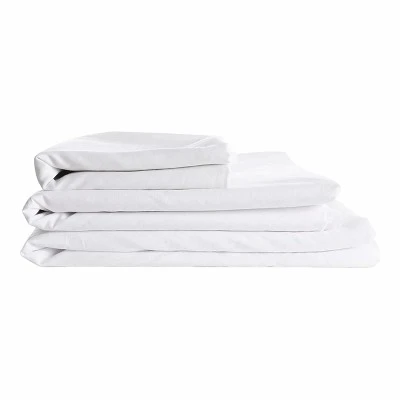
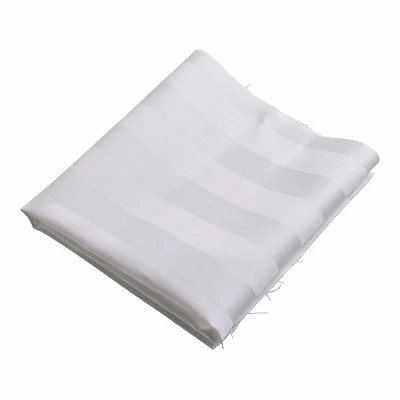
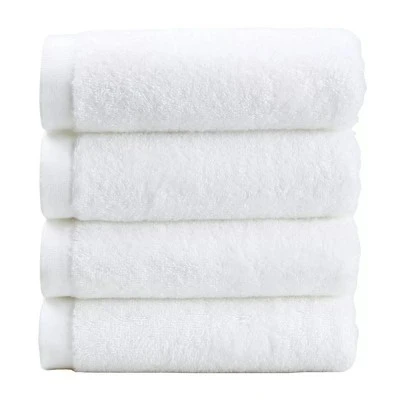
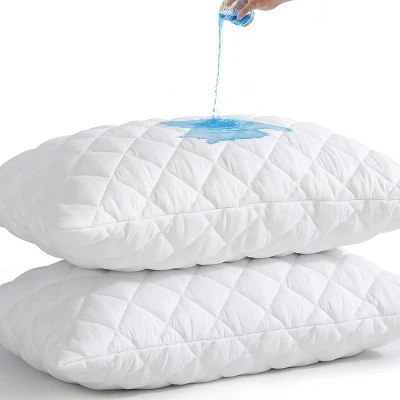
The design of hotel bedding must prioritize the guest's actual sleeping experience. Items such as sheets, duvet covers, pillowcases, and mattress protectors must fit the mattress dimensions precisely, lying flat without unsightly wrinkles or looseness. Fabrics are typically selected for their softness and breathability, ensuring guests remain comfortable during prolonged contact. Careful attention is also paid to color and overall style; common choices like white, off-white, and light tones convey a sense of cleanliness and order while allowing staff to easily inspect for hygiene. Depending on the hotel's tier and room décor, fabric texture, color, and design details are adjusted to ensure the bedding harmonizes with the room's aesthetic.
Practical considerations regarding daily use and laundering are also essential. Unlike residential bedding, hotel linens undergo frequent changing and washing; therefore, design cannot focus solely on initial softness but must also account for durability-specifically, resistance to deformation, shrinkage, fading, or pilling after repeated washes. Sheets and duvet covers are manufactured with appropriate allowances for size and shrinkage to ensure they still fit correctly after laundering. Stitching must be robust, particularly at corners, edges, and openings-areas prone to stress during repeated use and washing. Careful selection of fabrics, yarns, and stitching techniques ensures the bedding maintains its quality under high-frequency use, thereby reducing costs associated with frequent replacements.
In terms of functional design, modern hotel bedding increasingly seeks a balance between comfort, hygiene, and ease of management. For instance, mattress protectors serve primarily to shield the mattress from stains and liquids, while duvet covers and pillowcases are designed for easy removal and replacement without compromising guest comfort. Some hotels also adjust bedding components-such as duvet inserts, mattress toppers, and pillow cores-based on the season to meet guest needs across varying temperatures. For hotel chains, bedding specifications-including dimensions, colors, fabric weights, and branding-are standardized to streamline procurement and management across multiple locations. Overall, the design of hotel bedding does not merely prioritize aesthetics; instead, it takes a comprehensive approach that considers factors such as sleep comfort, hygiene standards, wash durability, ease of use, and hotel management costs. This ensures the products meet guests' needs while also suiting the realities of the hotel's long-term, high-frequency operations.