

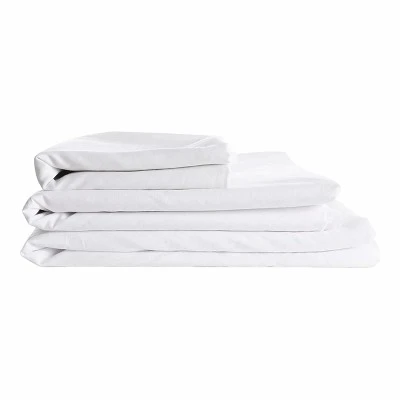
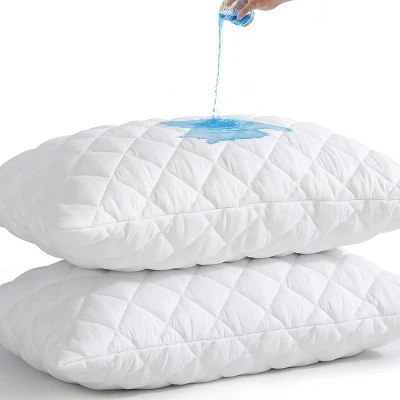
Hotel mattress protectors and related bedding accessories have become standard fixtures in guest rooms. As the number of hotel rooms grows and consumer expectations regarding hygiene rise, hotels are placing greater emphasis on mattress protection. Mattresses have long lifespans and represent a significant investment; without protection, sweat, dust, and moisture can penetrate the mattress, complicating cleaning and shortening its service life. Consequently, more hotels are placing protective pads between the mattress and the bedsheet to minimize contamination and facilitate removal, washing, and replacement by housekeeping staff. There is now steady demand for these products among chain hotels, mid-to-high-end establishments, and large-scale lodging facilities.
Hotel requirements for mattress protectors are evolving. While purchasing decisions once prioritized price and basic waterproofing or stain resistance, the focus has shifted toward fabric comfort, breathability, washability, and durability. The market offers a wide range of materials-such as pure cotton, poly-cotton blends, and waterproof composite fabrics-with varying thicknesses. Some products feature lightweight, waterproof designs that are easy to wash and dry, while others incorporate a filling layer to soften the sleeping surface and enhance guest comfort. For hotels, the goal is not necessarily to select the thickest or most waterproof product, but to strike the right balance between comfort, protection, and laundering costs based on actual usage. Hotels requiring frequent washing, in particular, demand higher standards for washability and dimensional stability.
Although mattress protectors represent a niche segment within the bedding industry with relatively stable overall demand, the market suffers from significant product homogeneity. When purchasing, hotels evaluate factors beyond price, including consistent quality, standardized specifications, durability against repeated washing, and supplier reliability. As hotels increasingly focus on operational costs, products that offer longevity, ease of cleaning, and low wear-and-tear are attracting greater interest. Future competition in the mattress protector market will move beyond basic waterproofing to emphasize comfort, durability, hygiene, and the total cost of ownership. For manufacturers, competitiveness in the hotel market would be significantly enhanced by improving materials and processes to suit the characteristics of high-frequency use and centralized laundering, while also ensuring a stable, high-volume supply.