

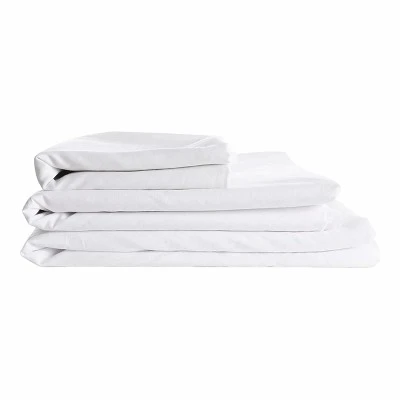

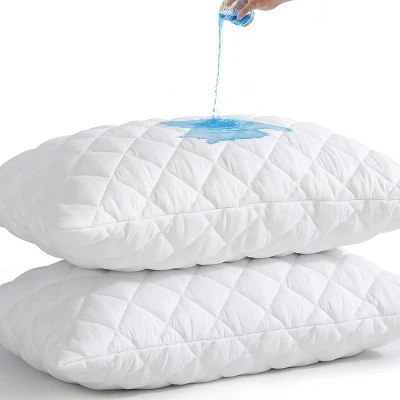
The eco-friendly approach to hotel bedding is primarily reflected in material selection and product longevity. Items such as bed sheets, duvet covers, and pillowcases undergo frequent use and repeated washing; inconsistent quality necessitates frequent replacement, which not only drives up procurement costs but also generates significant textile waste. Consequently, hotels now prioritize durability-specifically, the ability of fabrics to withstand repeated laundering and maintain performance over time-when selecting bedding. Some hotels opt for materials that align with environmental standards, such as cotton or recycled fibers, and adjust fabric weight based on actual needs to avoid unnecessary material consumption driven merely by a desire for a heavier feel. Ultimately, true sustainability for hotels lies not just in choosing "eco-friendly" fabrics, but in extending the lifespan of bedding to minimize unnecessary replacements and waste.
Eco-friendly practices regarding hotel bedding are also closely linked to laundry processes. Hotels generate vast amounts of linens requiring daily cleaning; excessive washing temperatures, high water consumption, or the improper use of detergents can all lead to increased energy and water usage. Therefore, hotels typically establish washing protocols tailored to the material and soiling level of the linens, aiming to ensure cleanliness while minimizing the consumption of water, electricity, and cleaning agents. For linens that are not visibly soiled and meet management standards, hotels may adjust replacement and washing frequencies based on actual conditions to avoid redundant washing. Furthermore, utilizing energy-efficient laundry equipment, optimizing drying times, and implementing effective linen sorting and management can reduce energy consumption over the long term.
The eco-friendly philosophy regarding hotel bedding also encompasses reducing the use of disposable items, maximizing the utility of used bedding, and standardizing the disposal of worn-out linens. Items no longer suitable for guest rooms can be repurposed-for instance, as cleaning cloths-to extend their material lifecycle as much as possible; textiles that are completely unusable can be sorted and recycled or disposed of in accordance with relevant regulations. By considering product quality, lifespan, laundering costs, and end-of-life recycling during the procurement process, hotels can minimize resource waste throughout the entire product lifecycle. Simply put, the eco-friendliness of hotel bedding is not merely about pursuing a "green" label; rather, it involves reducing resource consumption across every stage-from materials, production, and usage to laundering and recycling-thereby making the bedding more durable, economical, and sustainable while ensuring guest comfort and hygiene standards.