

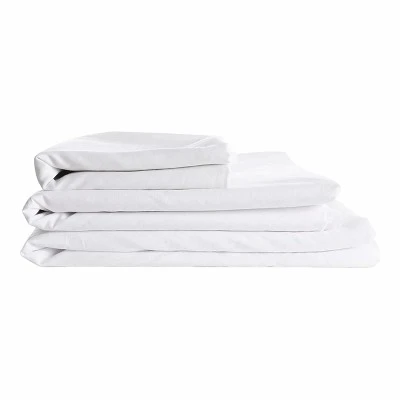
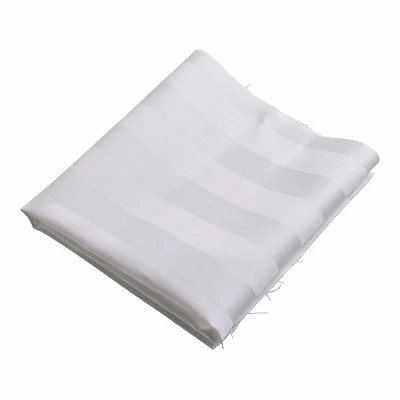
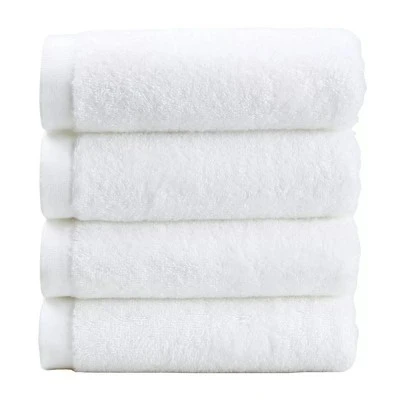
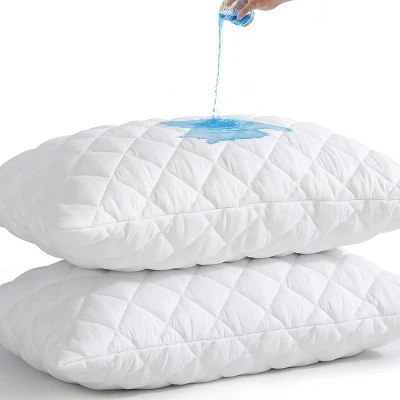
Inspections of hotel bathroom linens primarily focus on hygiene, visual quality, physical properties, and safety in use. Visual inspection is the most fundamental step; it involves checking for obvious stains, odors, damage, loose threads, linting, or uneven dyeing on items such as bath towels, face towels, hand towels, and bath mats, while also verifying that dimensions, weight, and thickness meet procurement specifications. For newly purchased linens, a sample batch can be selected for closer examination, focusing on the uniformity of the terry loops, the tightness of the weave, and the security of the hems. These simple checks provide a straightforward assessment of the manufacturing quality and general condition of the linens.
Hygiene testing focuses on microbial levels and cleanliness; this is typically conducted by qualified testing agencies or professional laboratories commissioned by the hotel. Test parameters are determined based on relevant hygiene standards and operational requirements, covering indicators such as total bacterial count, coliform bacteria, and *Staphylococcus aureus*, as well as pH levels. While comprehensive laboratory testing for every batch of linens may not be feasible for daily hotel operations, hygiene quality should be ensured through standardized washing procedures and periodic spot checks. Any abnormal test results necessitate an immediate review of washing, disinfection, transportation, and storage processes to identify and rectify the underlying issues. The frequency of spot checks may also be increased for linens that are frequently the subject of guest complaints or have been in long-term use.
Hotels may also test performance characteristics such as water absorbency, wash durability, color fastness, shrinkage, and breaking strength. Absorbency-a particularly critical metric for bath towels and face towels-is measured in the laboratory to determine the speed and capacity of water uptake. Wash durability assessments observe whether linens undergo significant deformation, color fading, pilling, stiffening, or a decline in absorbency after repeated washing, while shrinkage is evaluated by comparing dimensions before and after laundering. For bulk purchases, it is advisable to test samples under actual washing conditions before the linens are put into service. A combined approach-incorporating visual inspection, hygiene testing, and performance testing-provides a comprehensive understanding of linen quality, facilitating informed decision-making regarding procurement, acceptance, and daily management.