

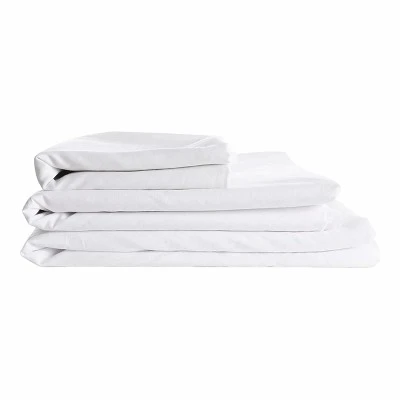
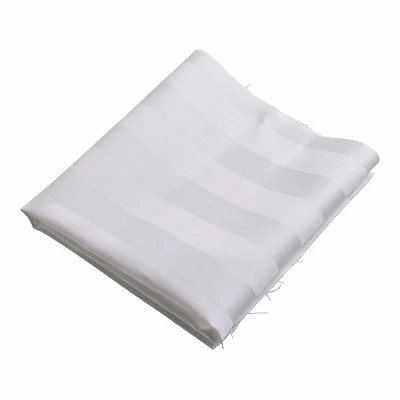
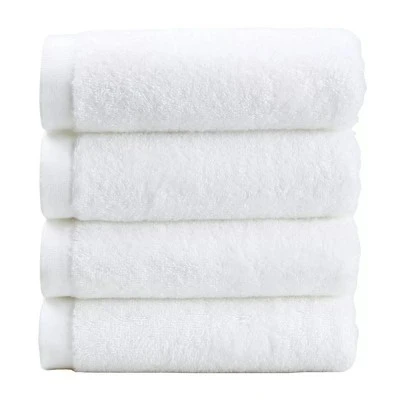
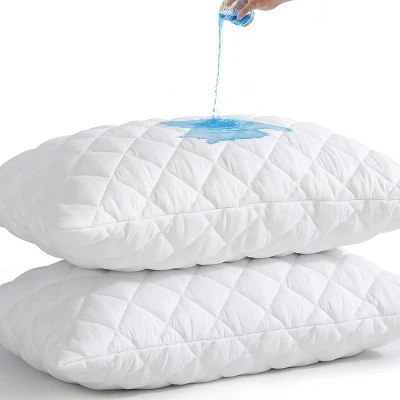
The technical specifications for hotel bathroom linens primarily cover material, dimensions, weight (GSM), water absorbency, color fastness, shrinkage rate, and wash durability. Common bath towels are typically made of pure cotton or combed cotton, with specifications determined by the hotel's market positioning and practical usage needs; face towels, hand towels, and bath mats are selected with dimensions and thicknesses appropriate for their specific functions. Weight is a key indicator of a towel's thickness and substance; a higher weight generally results in a thicker feel and better loft, though it also entails higher water and electricity costs during washing and drying. Hotels must select the appropriate weight based on the room tier and laundry capabilities, rather than judging quality solely by weight.
Water absorbency is a critical technical indicator for hotel bathroom linens-particularly bath towels and face towels-as they must quickly absorb moisture from the skin. Absorbency depends not only on the cotton fibers themselves but also on factors such as yarn quality, pile height, weave density, and finishing processes. Color fastness is another important parameter; for colored linens, the product must resist significant fading or color bleeding after repeated washing. Shrinkage also affects practical usage; excessive dimensional changes after washing not only compromise appearance but also complicate standardized folding, placement, and inventory management. Consequently, hotels typically conduct spot checks on dimensions, weight, appearance, and performance characteristics upon delivery, in accordance with procurement contracts and product standards.
Wash durability is a vital factor in determining whether bathroom linens are suitable for long-term use. Given the daily turnover and laundering cycles, these products must withstand frequent mechanical washing, spin-drying, and tumble-drying. Poor wash durability can lead to issues such as pile shedding, thinning fabric, fraying edges, stiffening, and reduced absorbency over time, thereby increasing replacement costs for the hotel. Furthermore, linens must comply with relevant hygiene and safety regulations; parameters such as pH levels, formaldehyde content, and decomposable carcinogenic aromatic amine dyes must be controlled in accordance with applicable textile standards. When making actual purchases, hotels can establish specific technical specifications based on their market positioning-such as defining materials, dimensions, fabric weight, color, stitching requirements, wash durability, and hygiene standards-thereby standardizing product quality through written requirements and facilitating subsequent acceptance inspections and supplier management.