

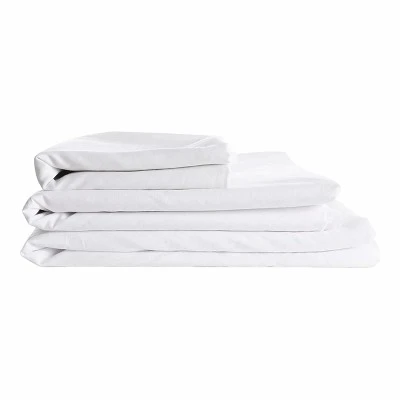
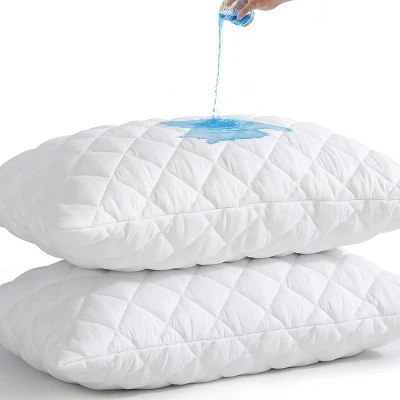
When storing hotel bedding, the warehouse environment must first be kept dry, well-ventilated, and tidy to prevent damage to the fabric caused by prolonged direct sunlight or humid air. Before storage, items such as sheets, duvet covers, pillowcases, fitted sheets, duvet inserts, and pillows must be confirmed clean and dry, then sorted and stored according to category, size, and color. Clean bedding should not be mixed with used, soiled linens and should be kept away from items that emit odors or pose a contamination risk, such as detergents and disinfectants. Warehouse shelving should ideally be positioned away from walls and elevated off the floor to ensure proper air circulation and prevent direct contact with the ground, thereby minimizing issues like dampness, dust accumulation, and pest infestations.
Regarding specific placement, a management approach based on "categorization, zoning, and labeling" is recommended. Bedding items of different sizes-such as sheets, duvet covers, and pillowcases-should be stored separately and clearly labeled on the shelves to facilitate easy retrieval by staff. Bulky items like duvet inserts and pillows should not be subjected to prolonged heavy pressure, as this can deform the internal filling and compromise the product's loft and comfort. Bedding not currently in use can be protected from dust using breathable packaging; however, sealing items before they are completely dry is discouraged to prevent moisture buildup inside the package. During storage, the warehouse temperature and humidity, packaging condition, and the bedding itself should be regularly inspected for issues such as dampness, odors, or mold spots, with any problems addressed promptly.
Effective inventory and turnover management is also essential to prevent the long-term stockpiling of hotel bedding. Upon receipt, details such as product name, specifications, quantity, purchase batch, and entry date should be recorded. Items should be issued based on the "First-In, First-Out" (FIFO) principle to minimize issues like yellowing, dampness, or fabric degradation caused by prolonged storage. Hotels with large inventories should conduct regular stock counts and plan procurement strategically based on the number of guest rooms, occupancy rates, and linen turnover speed.